
Hair surgery in Mollet del Vallès
Hair Transplant
A procedure planned around the diagnosis, donor area and a design adapted to your features. The technique is selected individually.
Request your in-person or online assessment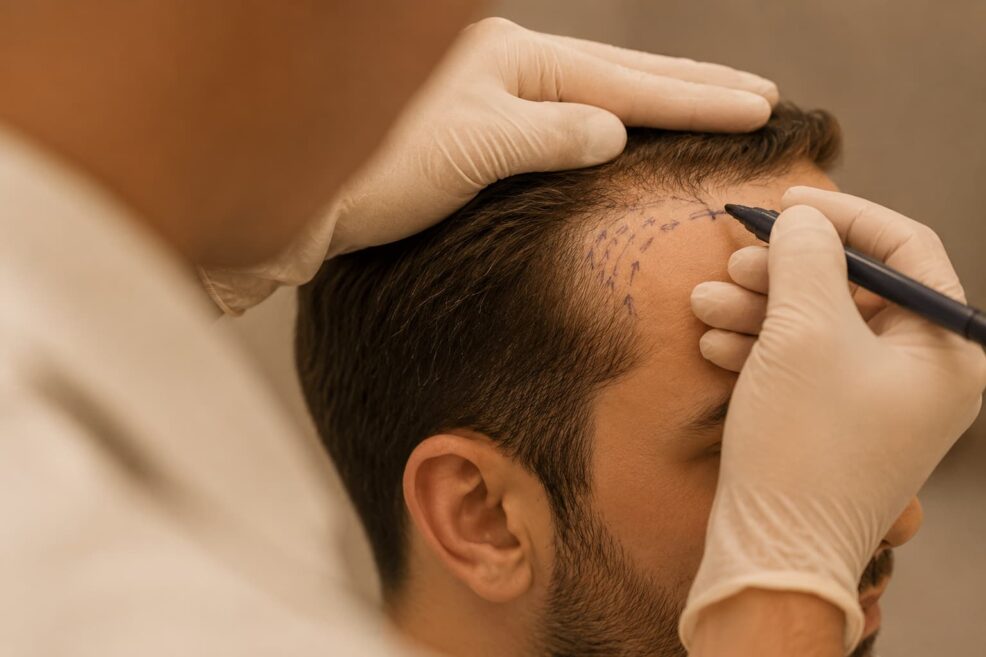
Restoration using follicular units
A hair transplant redistributes hair from the donor area
A hair transplant is a surgical procedure in which follicular units are obtained from a donor area and implanted in areas with hair loss.
The prior assessment studies the quality and availability of the donor area, the areas to be treated and the evolution of alopecia. This information makes it possible to propose a design and decide which technique may be most appropriate.
The aim is not to place hair uniformly, but to distribute the units with orientation, angle and density that are coherent with each person’s features and starting point.
Donor area
It is assessed before estimating which units can be obtained and how to preserve its balance.
Follicular units
They are natural groupings of hairs that are extracted and implanted while respecting their structure.
Individual design
It is adapted to the patient's anatomy, pattern of loss and realistic goals.
Surgical assessment
When may a hair transplant be assessed?
The indication depends on the diagnosis, donor area, progression of loss and expectations. These situations are guidance only, not confirmation that surgery is appropriate.
Areas with visible loss
It may be studied when there is recession, crown thinning or other areas with insufficient density that cannot be recovered only by strengthening existing hair.
A donor area that must be assessed
The quantity and quality of available hair condition the plan. Not all donor areas allow the same approach.
Men and women
Surgery may be assessed in both cases, provided that the diagnosis and pattern of loss allow appropriate planning.
Fully shaved, partially shaved or unshaven
Shaving options depend on the technique, extent and characteristics of each case. Not every option is suitable for every person.
Realistic goals
Planning must balance the desired result, donor availability and the possible future evolution of alopecia.
From diagnosis to surgical plan
The procedure is proposed after reviewing the case, donor area and design, not from a technique chosen in advance.
Assessment and trichoscopy
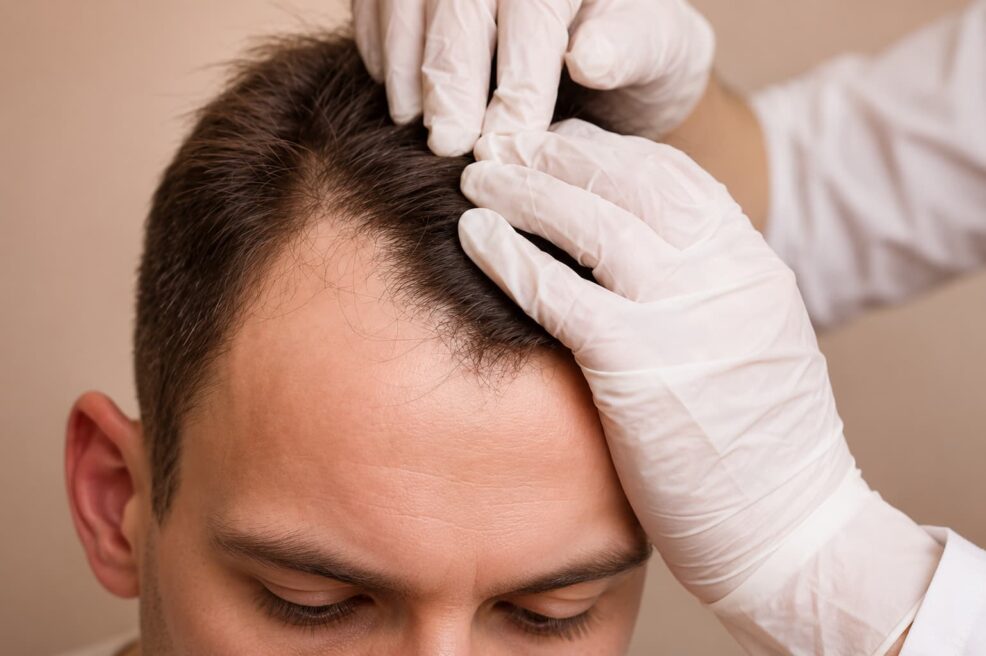
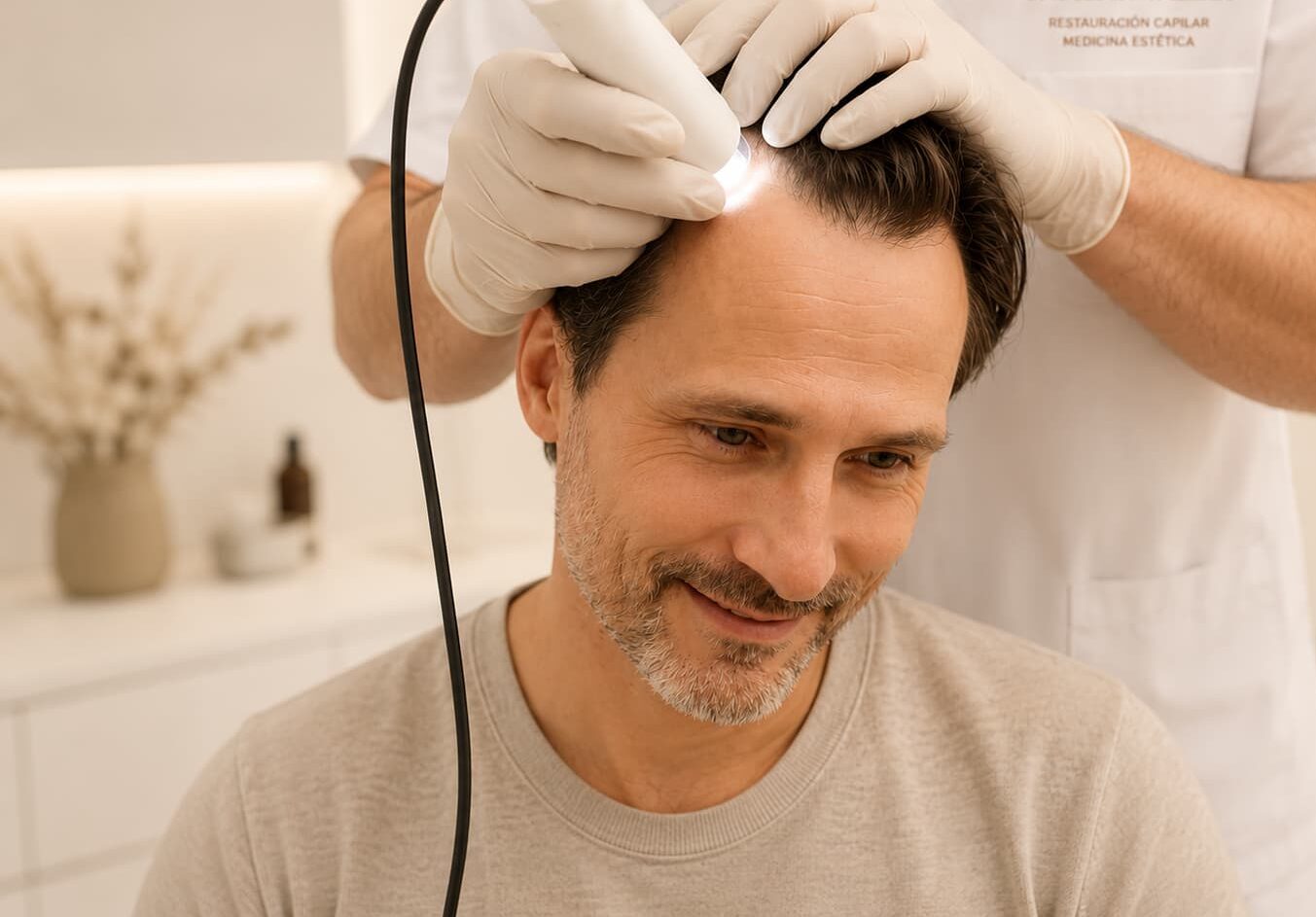
The doctor studies hair loss, the donor area and expectations before assessing surgical viability.
Design and planning
The areas to be treated, design, planned distribution and donor area strategy are defined.
Extraction and implantation
During the procedure, follicular units are obtained and implanted in the recipient areas following the agreed design.
Personalised follow-up
After the procedure, the team organises reviews and follow-up according to the needs of the case.
On video
A patient’s experience during their treatment
Individual testimonial. Experience and progress vary from person to person.
Technique selection
FUE, FUT, sapphire or DHI: they are not interchangeable options
The terms used when comparing clinics do not always describe the same phase of surgery. FUE and FUT refer to ways of obtaining follicular units from the donor area.
Sapphire incisions relate to the instrument used to create recipient sites. Implantation with an implanter, commonly associated with the term DHI, corresponds to the placement phase.
These decisions can be combined and must be made according to the donor area, recipient area, hair type and the strategy defined by the surgeon.
FUE
Follicular units are obtained individually from the donor area.
FUT
The units are prepared from a strip obtained from the donor area.
Implantation and recipient sites
The doctor may consider sapphire incisions or implantation with an implanter, depending on the surgical plan.
Individual estimate
The price depends on the plan, not on a generic fee
Capilar Vallès does not publish a standard hair transplant price. The estimate is prepared after the assessment because it depends on the areas to be treated, donor area availability, planning and technique.
During the first visit, the possible approach and what the proposal includes are explained without pressure to make an immediate decision.
Real hair transplant cases
Two starting points and two different plans
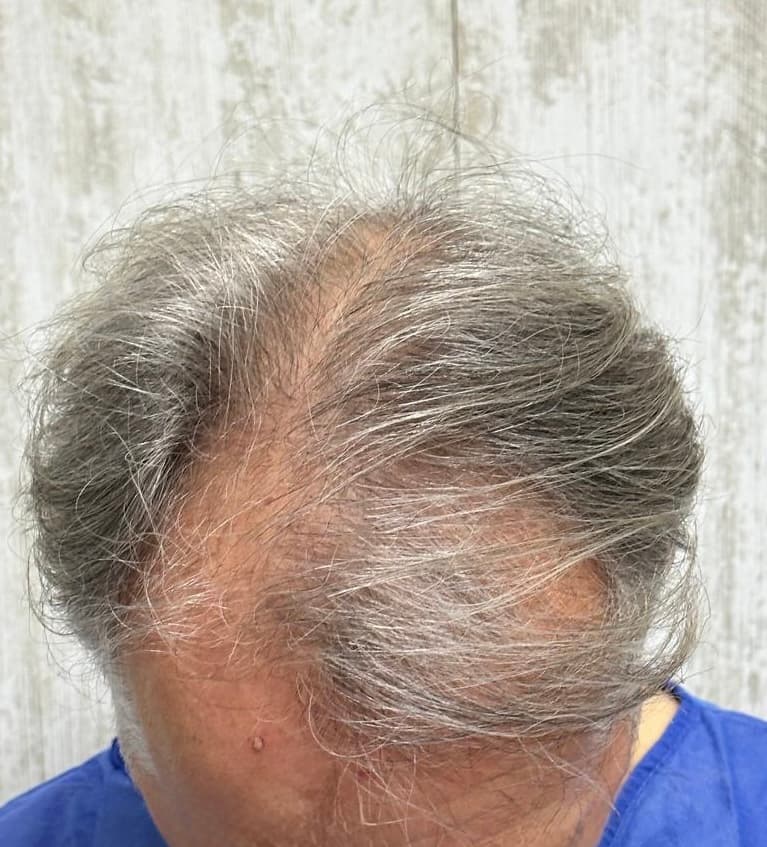
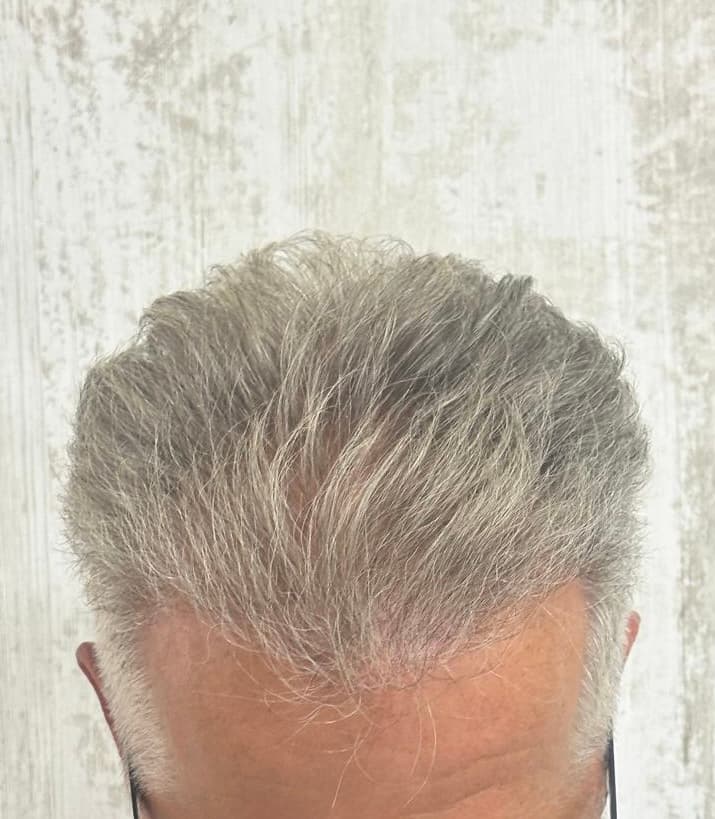
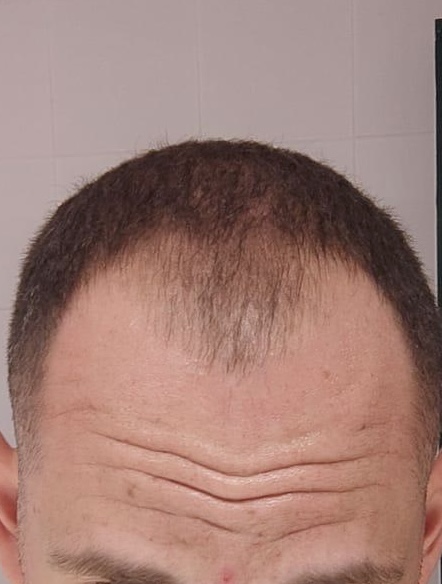
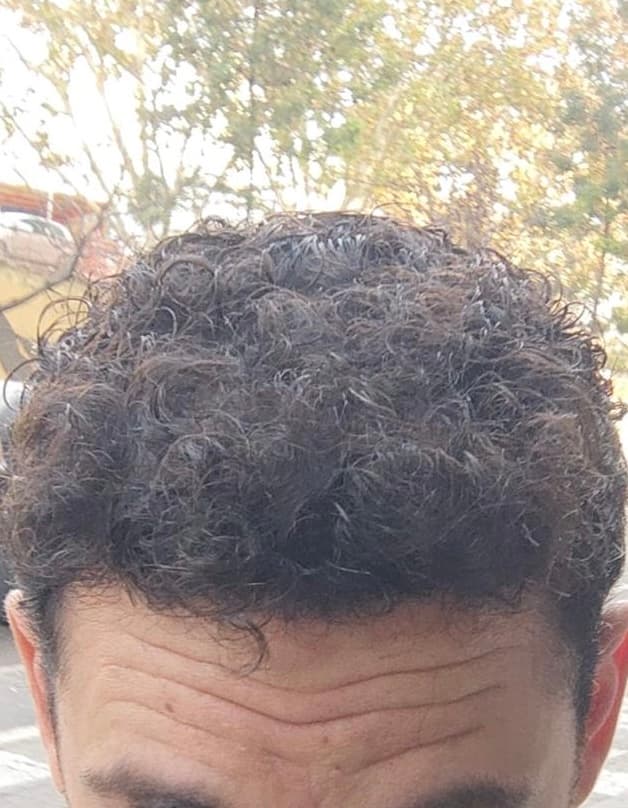
The images correspond to individual cases. Design, technique and progress may vary according to each patient's situation.
On video
Another patient shares their experience with hair transplant
Individual testimonial. Results and progress may vary from case to case.



Before assessing surgery
Frequently asked questions about hair transplant
Common questions about indication, techniques, shaving and the estimate.
It is a surgical procedure that obtains follicular units from a donor area and implants them in areas with hair loss. Planning depends on the diagnosis, donor area and design.
The doctor assesses the donor area, recipient areas, hair type, extent and goals. The technique is not chosen only by its commercial name and may combine different extraction and implantation decisions.
They are two ways of obtaining follicular units from the donor area. In FUE, they are obtained individually; in FUT, they are prepared from a strip of donor tissue. The choice depends on medical planning.
Sapphire incisions refer to the instrument used to create recipient sites. DHI is usually associated with implantation using an implanter. They are not equivalent alternatives to FUE or FUT and must be integrated into a plan.
There are approaches with full shaving, partial shaving or no shaving. The possibility depends on the technique, extent and characteristics of the case, so it must be assessed individually.
Yes, it can be assessed for women when the diagnosis, distribution of hair loss and donor area allow appropriate surgical planning.
Capilar Valles does not publish a standard fee. The estimate is prepared after assessing the areas to be treated, the donor area, planning and technique.
Yes. The first in-person assessment is free and includes the initial study of the case, trichoscopy, explanation and, where appropriate, an individual plan and estimate.
The online option serves as initial orientation. The doctor will indicate which in-person assessment is needed to study the donor area, confirm the indication and finalize planning.
Responsible surgeon
Dr. Gustavo Mazariegos
Dr Gustavo Mazariegos is a hair transplant surgeon and aesthetic doctor, responsible for assessment, planning and hair surgery at Capilar Vallès.
He has experience in trichology, hair transplantation and aesthetic medicine, and holds professional licences in Spain, Dubai and Guatemala. He is a member of the ISHRS and has worked as a medical director and trainer.
Request your hair transplant assessment
The first in-person assessment is free. Online orientation may serve as a first step, but surgical planning requires the evaluation indicated by the doctor.
In person or online
Tell us which areas concern you
Our team will contact you to organise an assessment and explain what information we need before studying surgery.
-
Clinic
Rambla de Pompeu Fabra, 43 B, 08100 Mollet del Vallès -
Phone
673 748 756 -
WhatsApp
673 748 756 -
Opening hours
Monday to Thursday · 9:30-20:00 · Friday · 9:30-13:00 -
Email
[email protected]